Where did this become useful?
Look backwards for context, learned roles, protections and the emotional logic that once made sense.
Before theAlchemy became a methodology for understanding buyers, we used the same human-first thinking to build a behavioural product from scratch — then launched it, tested it with real people and built the commercial system around it.
The challenge was not to give people another label. It was to help them see the connection between what happened before, what is happening now and the person they are becoming — in their own words, at their own pace.
That meant building for emotional barriers, not simply building a questionnaire.
Old adaptations can stay useful long after the original context has changed. The product needed to surface history without trapping the person inside it.
Not theory. The actual relationship, work decision, boundary, hesitation or behaviour that keeps producing a familiar feeling.
The future state is not fantasy. It is evidence of different choices, boundaries and behaviour beginning to emerge.
We structured the experience around three time states so answers could be read in relationship to each other. Tap a lens to see the kind of question it is designed to open.
Look backwards for context, learned roles, protections and the emotional logic that once made sense.
Bring the pattern into everyday behaviour: decisions, relationships, ambition, avoidance, accommodation and self-trust.
Notice the future self through real behaviour — the risk taken, the boundary held, the room entered, the thing finally begun.
We began with the behaviour beneath the behaviour: protection, familiarity, self-trust, boundaries, identity and the rules people continue to carry forward.
Past, Present and Future became the architecture. The 27-question framework created enough structure for comparison while keeping the user’s own language central.
We developed the journey, interaction language, results logic and visual environment around the model rather than treating the model as a PDF hidden behind a form.
We put Ren in people’s hands, listened to what they said helped them and adjusted the product and language around real behaviour rather than internal assumptions.
Once the product worked, we created the messaging, campaign routes, landing pages, social engine, proof, nurture and conversation layer from the same intelligence.
We describe the evidence carefully. Ren is not a replacement for therapy and we do not present user reactions as clinical validation. It is designed to sit alongside reflection, coaching or therapy — helping people notice connections in the material they are already living with.

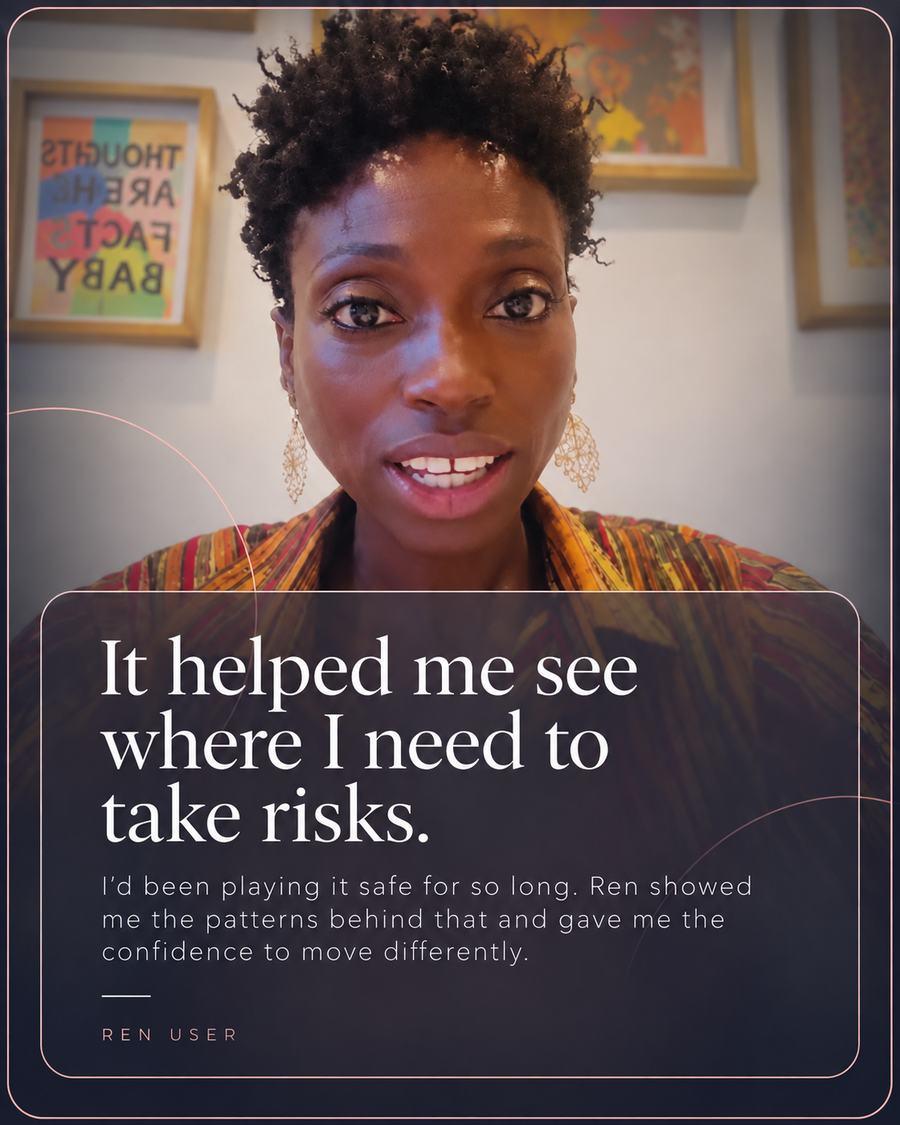
It helped me see where I need to take risks.Real Ren user feedback
We wanted more than “people liked it.” We listened for what they could see afterwards that they could not see as clearly before. These are real Ren users speaking for themselves. Press play when you want the human evidence.
Not applause. Evidence of recognition. What could they now see, name or connect that had been harder to hold together before?
So we did not build one generic landing page and swap a headline. We created an interconnected network of routes around different pressures, each carrying the same underlying product truth into a different starting point.
Choose a route above to see how the opening pressure, campaign message and landing-page emphasis change without changing the core product.
The social creative does not sit apart from the landing page. The hook, visual, proof, CTA and next step continue the same thought. Pick a campaign route and watch the journey change.

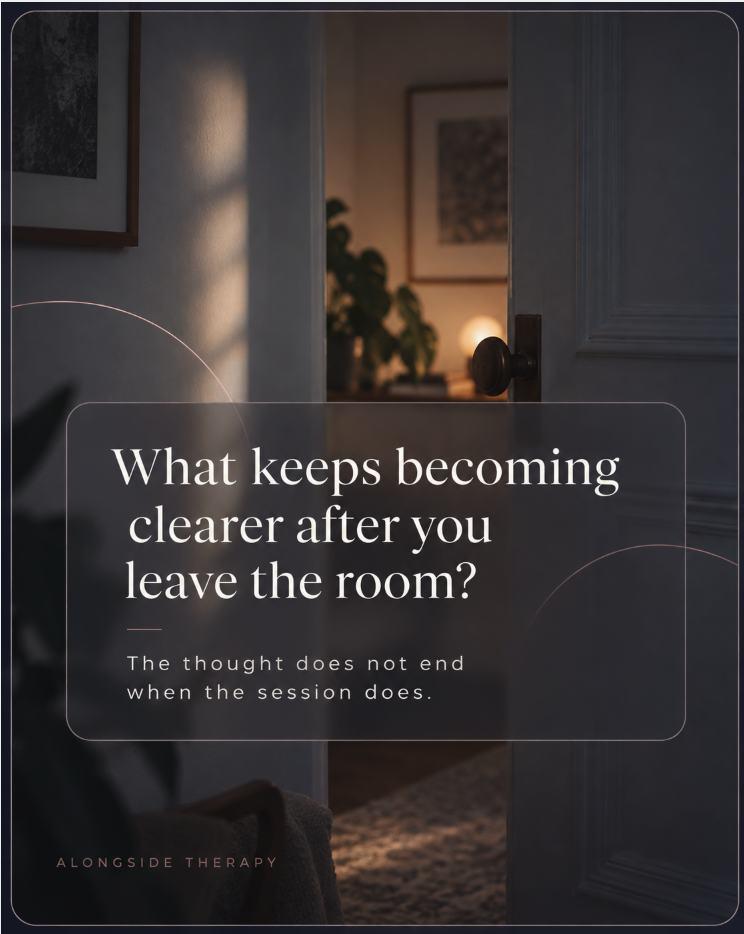
The thought does not end when the session does. This route recognises the ongoing reflection and connects it back to the larger Past / Present / Future story.
Structured journeys are useful until the person’s real question does not fit neatly inside one. So the experience evolved again: capture what they actually say, listen for the pressure underneath it, then respond from the intelligence already built around the product.
The principle is simple: do not make the person translate themselves into your system. Make the system understand the person.
Ren made the method easy to see because the differences between people are impossible to ignore. In B2B the differences are just as real, but they are hidden behind job titles, procurement processes and product language.
Choose a buyer. The person, pressure, barrier, question, proof, message and route all change together. That is why the output can stay coherent across campaign, landing page, nurture and sales conversation.
The product category may be the same, but Finance, Operations, Sales, Leadership and Security are not making the same decision. The same method now becomes buyer intelligence.
Product, marketing and sales stop behaving like separate departments telling separate stories. The intelligence travels.
That is the transferable capability. theAlchemy takes one proposition and gives each person a route into it that begins with what they are actually trying to solve — while the intelligence underneath keeps the whole system connected.
Ren gave us a difficult environment in which to build and prove the method: deeply personal context, different emotional entry points, a product that had to earn trust, and a commercial journey that could not feel generic. theAlchemy takes that discipline into complex B2B buying journeys.
Ren shows what theAlchemy looks like when the person is the journey. SilverScape shows the same discipline inside a business: understand the buyer pressure, structure the evidence, then make the right proof easier to find and easier to use.
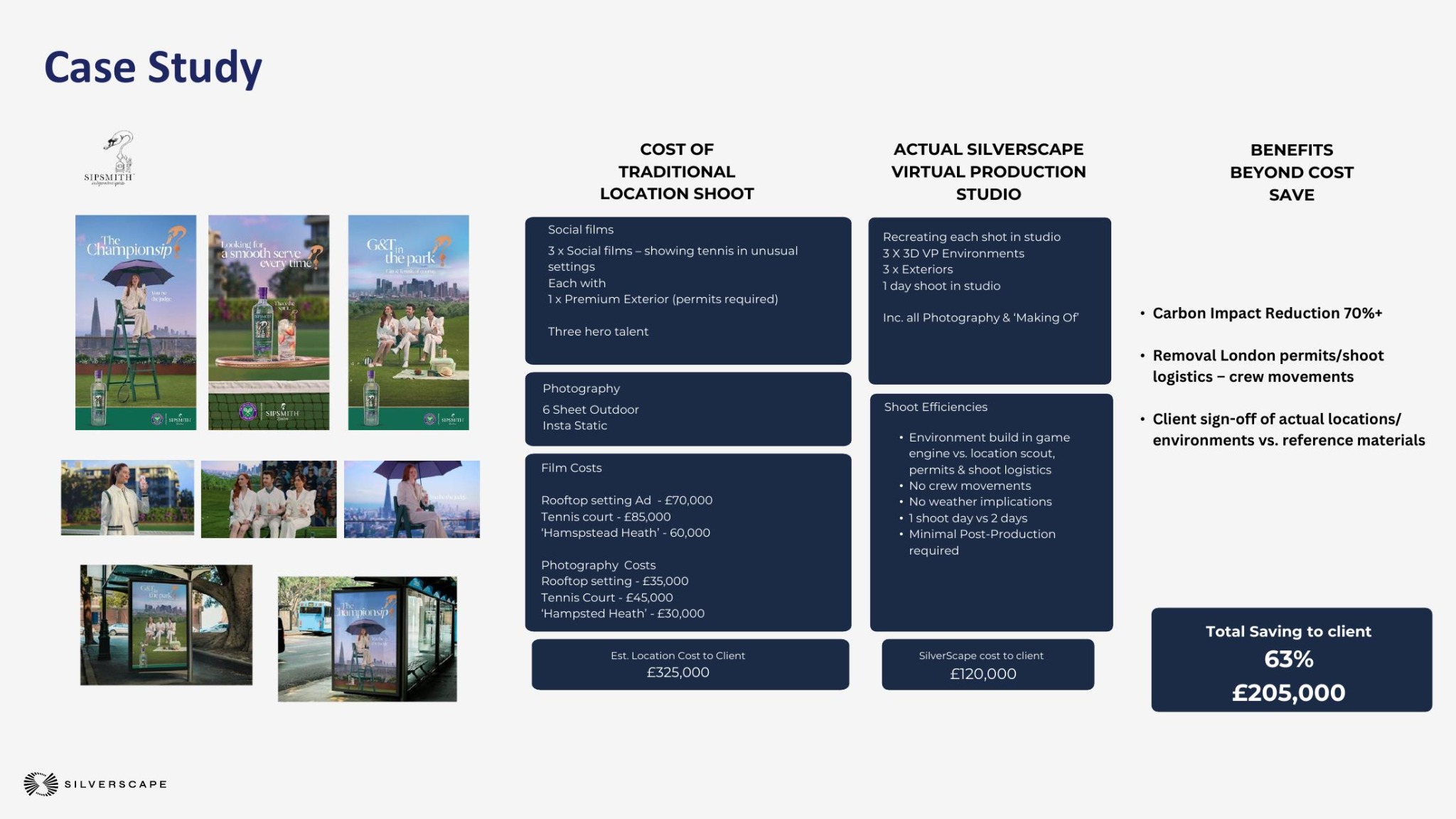
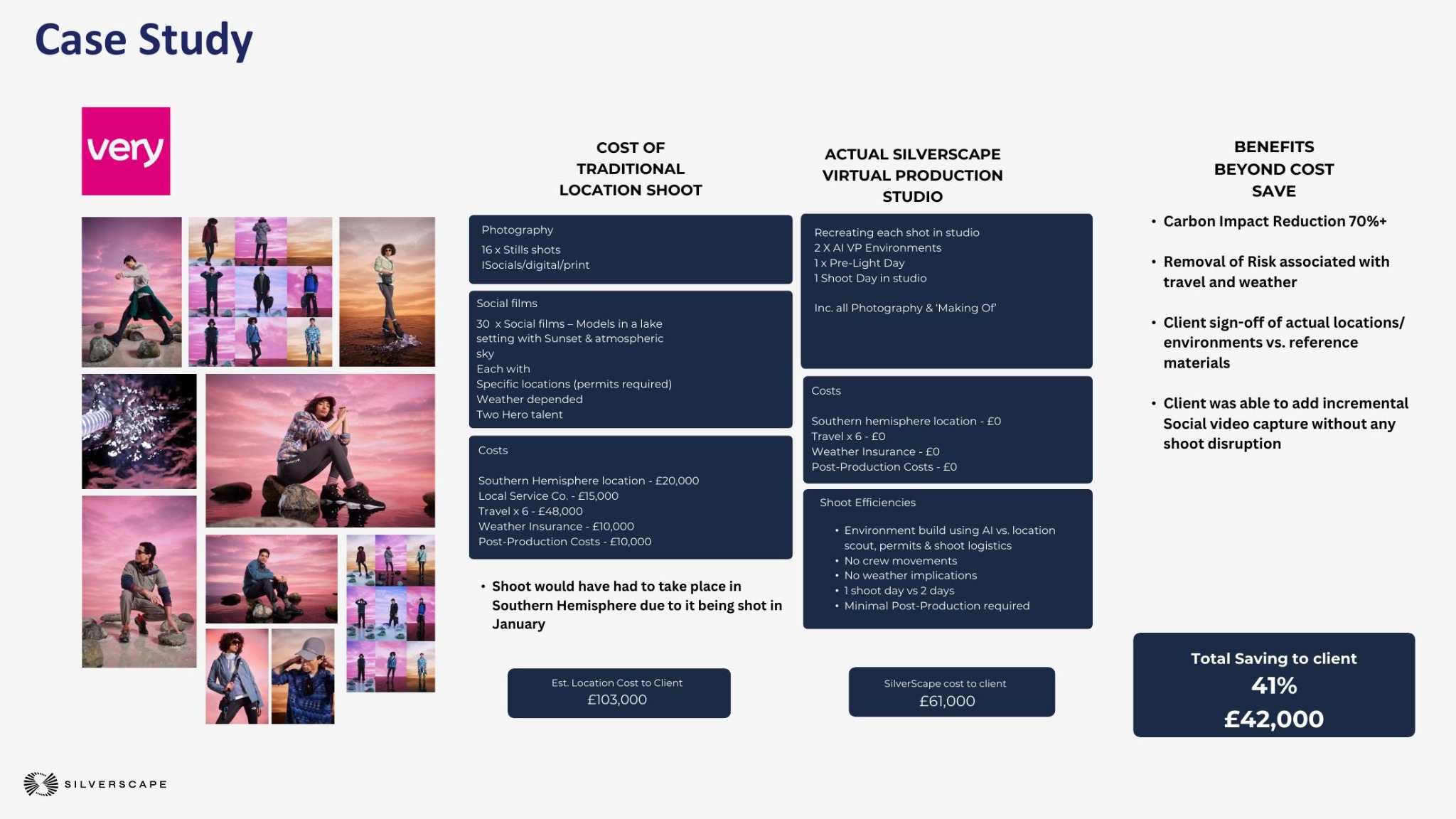
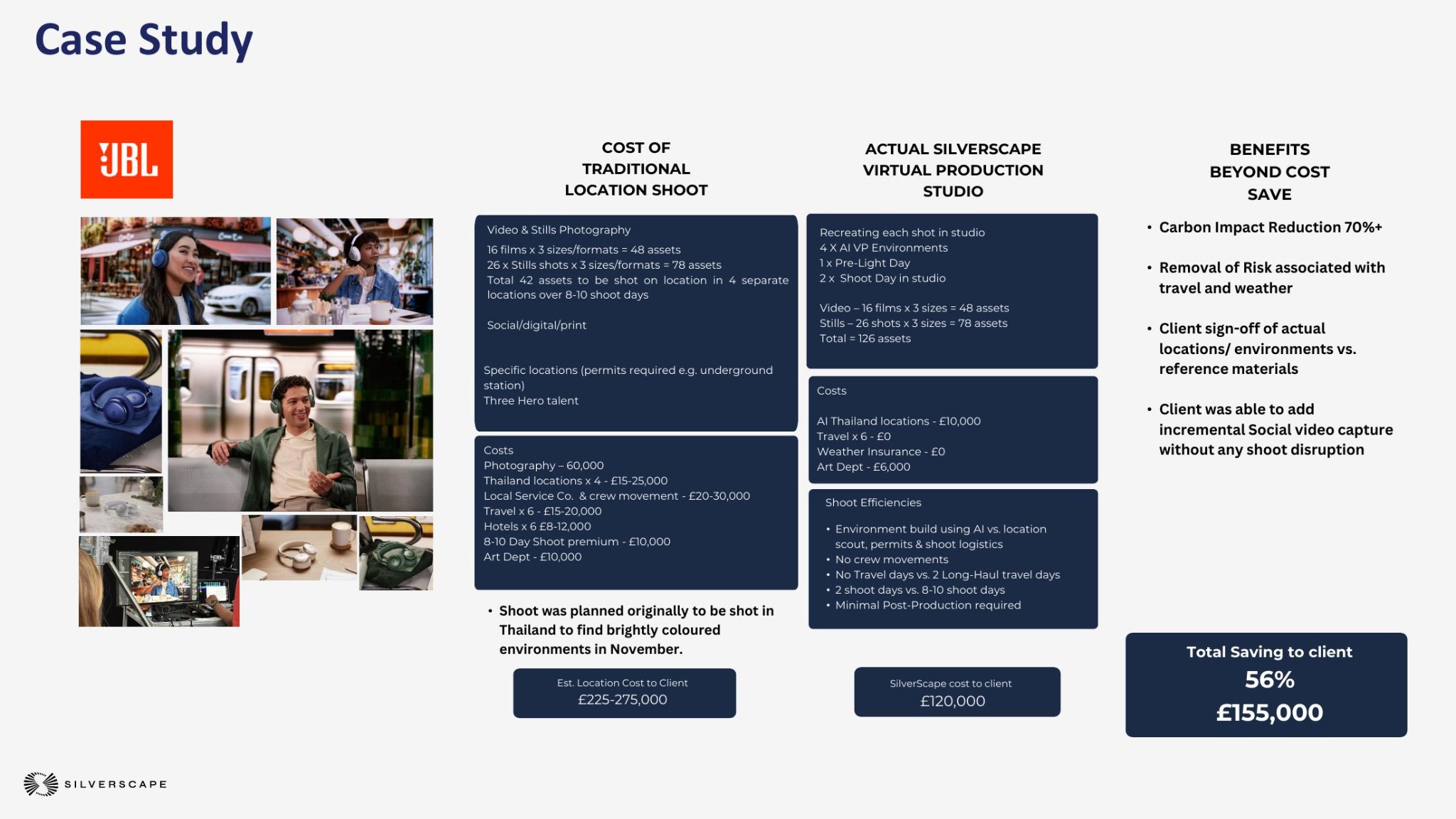
SilverScape had strong project evidence: cost savings, carbon reduction, faster shoots, less travel risk and more assets from a production day. But a buyer should not have to read every case study and work out which proof matters to them.
So the job was not “make the case studies prettier.” It was: structure the proof so it can move with the buyer.
Real production cases with commercial, operational and sustainability outcomes.
One person wants cost proof. Another is worried about travel, weather, speed, asset volume or creative flexibility.
Instead of a static library, the buyer starts with their pressure and the system surfaces the most relevant evidence.
We take what is normally trapped inside decks, project notes and team memory and turn it into an intelligence model that can drive a website, sales tool, campaign route or live conversation.
This is a compact version of the logic we built for SilverScape. Choose what matters most, then tell the system what you are creating. The story and the proof change together.
The matched case compares a traditional multi-location shoot with SilverScape virtual production and gives the buyer evidence they can carry into the next conversation.
SilverScape’s project material already contains the commercial story. theAlchemy structures it so the right parts can surface at the right moment.


The team builder and buyer finder are two sides of the same system. Internally, the team structures the project once. Externally, the buyer only sees the questions and proof relevant to them.
The project is no longer just a PDF. It becomes searchable evidence with enough structure to power different buyer stories.
The intelligence stays behind the scenes. The buyer gets a short route to the proof they actually need.
This is not a mock-up built just for this page. The full standalone hub contains the buyer-facing finder, the team builder and the workflow showing how the two connect.
In Ren, that intelligence connected human context to product, campaigns and conversation. In SilverScape, it connects buyer pressure to evidence, case studies and sales momentum. Different market. Same discipline.